What are the main pollutants that pollute the atmosphere?
In the topic of environmental protection, ordinary people must be most concerned about air pollution at present, so the components of air pollutants are different, and the harm and pollution degree are not the same. Today, Xiaobian will take you to know about common air pollutants and their sources.
Carbon monoxide (CO): It is the main component of the gas we used for cooking when we were young.
Carbon monoxide is the most widely distributed and abundant pollutant in the atmosphere, and it is also one of the important pollutants produced in the combustion process. The main source of carbon monoxide in the atmosphere is automobile exhaust, followed by the combustion of fossil fuels in boilers. Therefore, in high-altitude cities or cold environments, carbon monoxide pollution is more prominent because of the need for heating.
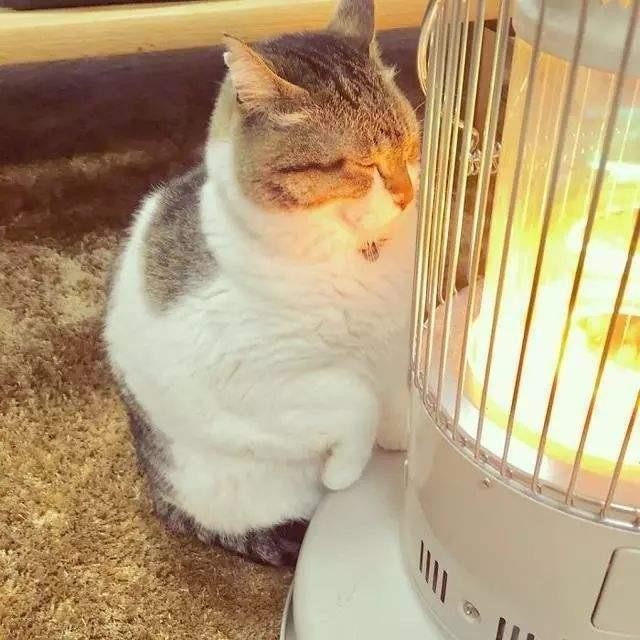
Nitrogen oxides: mainly refer to nitric oxide (NO) and nitrogen dioxide (NO2), most of which come from the high-temperature combustion process of fossil fuels. Nitric oxide is relatively harmless, but it is quickly oxidized by ozone in the air and turned into nitrogen dioxide. Burning nitrogen-containing fuels (such as coal) and nitrogen-containing chemicals can also directly release nitrogen dioxide. Generally speaking, motor vehicle emissions are one of the main sources of nitrogen oxides in cities.

Ozone (O3): The fresh smell in the air after rain is the smell of ozone!
Ozone is mainly formed by a series of complex atmospheric chemical reactions of nitrogen oxides and hydrocarbons in the air under strong sunlight. Although ozone in the upper stratosphere plays an important role in radiation protection for life on earth, ozone in the lower atmosphere of the city is a very harmful pollutant. Although a small amount of ozone will promote human health, high concentration of ozone will stimulate mucous membrane, respiratory tract and even cause neurotoxicity. Therefore, people must attach great importance to the harm caused by ozone.
Particulate matter: when it comes to particulate matter, you have to mention the most suspected smog. . .
Haze is mainly caused by particles with a particle size less than or equal to 2.5 microns. Of course, it is only the most difficult one among many particles. Particulate matter refers to liquid or solid matter in the air, and its particle size is in the micron level, and the particle size is about 0.0002-100 microns, including aerosol, smoke, dust, fog and soot. There are particles from natural sources, such as sandstorms, volcanic eruptions, forest fires, etc.; There are also man-made particles, such as industrial activities, construction projects, garbage incineration and vehicle exhaust. Particulate matter is more harmful because it can attach toxic metals, carcinogens and germs.
So what good preventive measures do ordinary people have for all kinds of air pollutants? You can always pay attention to the reports on air quality in the media and remember to wear masks to protect yourself in foggy weather.
Professional haze mask can filter out most harmful pollutants!
Everyone should carefully distinguish when choosing, and the substances filtered by different models of masks are different. In addition, eating foods that clear and moisten the lungs can also have a good effect, such as Sydney, yam, honey, tremella and so on.
In addition to our own small efforts, our national level has already made some moves. In view of various air pollutants, our country has introduced the comprehensive emission standard of air pollution from the last century to the sub-sectors such as
A number of standards related to air pollutants, such as Emission Standard for Pollutants in Synthetic Resin Industry and Emission Standard for Pollutants in Petrochemical Industry, have been established by Jiangsu Provincial Department of Ecology and Environment, such as Emission Standard for Air Pollutants in Industrial Furnaces and Kilns in Jiangsu Province.
"Jiangsu Province Chemical Industry Volatile Organic Compounds Emission Standard" and other series of standards, and plans to start 100 eco-environmental standard plans this year. Relying on the scientific research strength of the province’s environment, which is mainly based on our institute, we start from various industries and major pollutants, which involve a lot of air pollution control. Environmental law enforcement agencies are also taking active actions to establish a sound law enforcement process to ensure the effective implementation of standards.
And effective implementation. Environmentalists will take active actions and strive to defend the blue sky!