New breakthroughs have been made in major national scientific and technological infrastructure, and a new weapon has been added to the "sea of stars"
CCTV News:One of the major equipment in the second phase of the meridian project of the national major scientific and technological infrastructure "Space Environment Ground Integrated Monitoring Network" — — The interplanetary scintillation monitoring telescope, the IPS telescope, passed the process test successfully on May 10th and was formally built.
IPS telescope, independently developed by China, is the first radio telescope specially used for interplanetary scintillation observation in China. It is led by the National Space Science Center of China Academy of Sciences, and adopts the collaborative joint measurement method of one main station and two auxiliary stations, namely Minggatu main station, Yihe Gaole auxiliary station and RiGen Wu Tara auxiliary station in Xilin Gol League, Inner Mongolia.
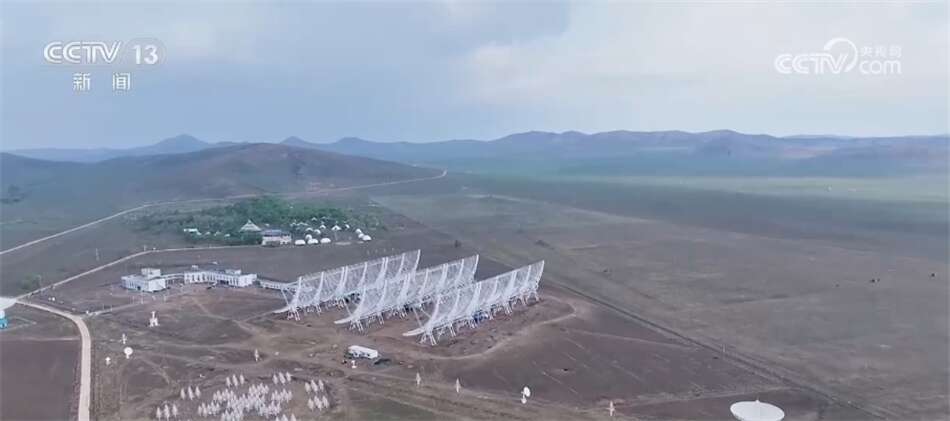
The main station of IPS telescope has the largest parabolic cylindrical radio telescope in China at present, which consists of three parabolic cylindrical antennas with a row length of 140 meters and a width of 40 meters. Its antenna aperture, noise temperature and detection sensitivity are at the international leading level. IPS telescope can capture extremely weak transient radio signals in the universe with high sensitivity in three frequency bands of 327 MHz, 654 MHz and 1400 MHz.
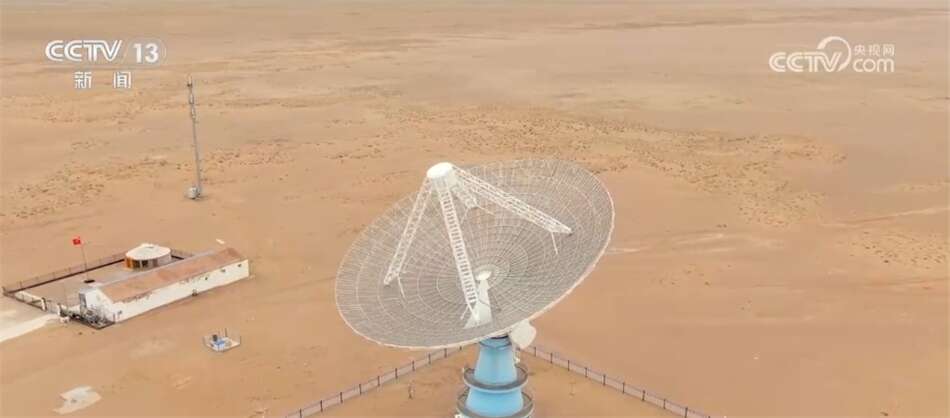
Yan Yihua, a researcher at the National Space Science Center of China Academy of Sciences and deputy chief engineer of the second phase of Meridian Project, said, "It is just a radio telescope. We are radio telescopes, receiving radio signals. Radio signals pass through the interplanetary, causing signal jitter, so it is called flicker. This monitor is to study this flicker. So what is the purpose of studying flicker? We can extract the information on this path through the flicker of the signal. "
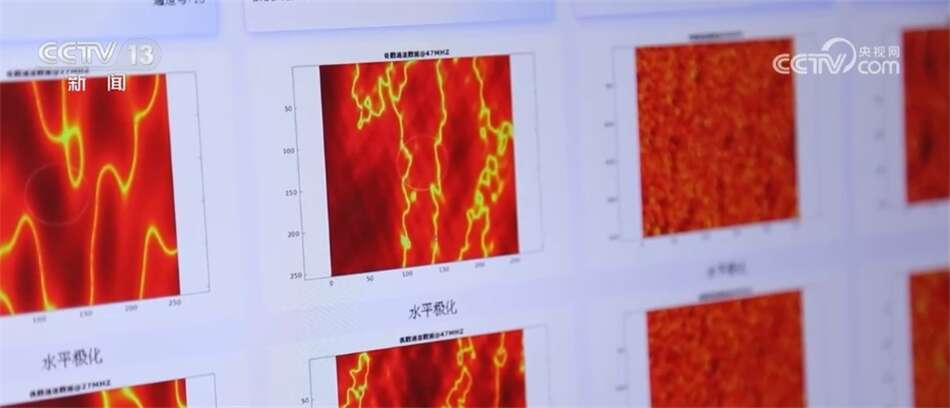
Wang Chi, academician of China Academy of Sciences and commander-in-chief of Meridian Project Phase II, said: "Its sensitivity is now at the leading level in the world. After completion, it will provide data support for the key elements of the space environment between the sun and the earth in our country and the space weather forecast. "
IPS telescope will become a sharp weapon to monitor solar activity.
The first IPS telescope in the world was born in Cambridge University, England. It won the Nobel Prize in Physics in 1974 because of the discovery of pulsars. It is a landmark equipment in the history of science and technology in the world. What role does the construction of IPS telescope in China play in scientific research?
It is understood that interplanetary space plays a key role in connecting the sun and the earth and is a nonlinear transmission channel of the sun-earth system. By detecting the radio emission of astronomical dense source, IPS telescope can sense the flux flicker signal caused by solar wind turbulence and measure the radial velocity and density change of interplanetary solar wind, so it is an efficient ground-based equipment for daily monitoring of interplanetary space weather.
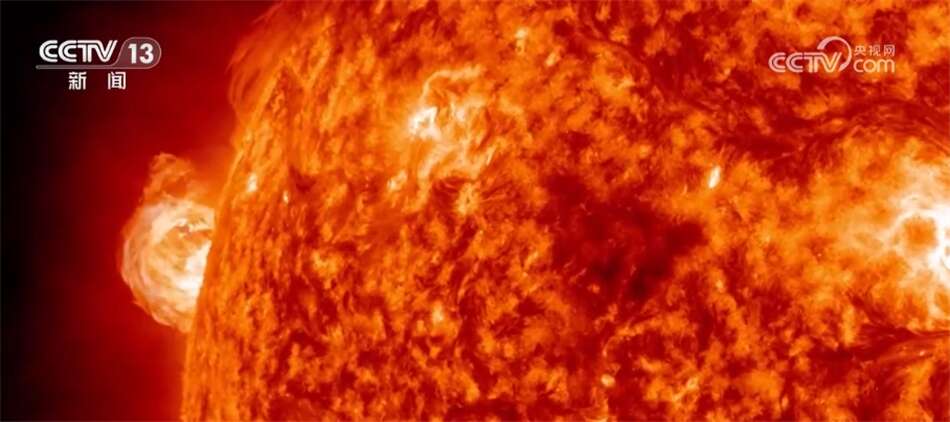
Yan Yihua, a researcher at the National Space Science Center of China Academy of Sciences and deputy chief engineer of the second phase of Meridian Project, said: "You may have heard of solar storms, and there are often such violent activities on the sun. After this violent activity occurs, it will spread to the earth from the sun, which may have an impact on human high-tech systems. We call it space weather or space disastrous weather. It mainly affects aerospace, satellite navigation and astronauts’ actions in the sky, and may also bring harm to ground systems, such as long-distance power systems and long-distance oil pipelines. Therefore, the purpose of this instrument is mainly to monitor this solar activity. "
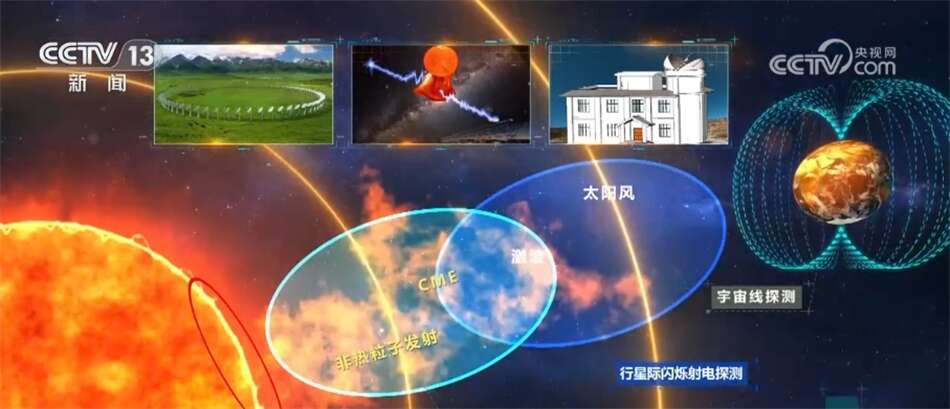
According to reports, in the future, IPS telescope will measure the speed of interplanetary solar wind day by day, capture the dynamic propagation process of solar storms in interplanetary space, and provide independent original observation data and quantitative numerical forecast products for China’s interplanetary space weather forecast as soon as possible.
Meridian project will improve the cognitive ability of space environment in China
With the official completion of IPS telescope, the last equipment in the second phase of Meridian Project, the overall project construction of the second phase of Meridian Project is coming to an end. After the first and second phases of Meridian Project are jointly operated, China’s cognitive ability on space environment will be greatly improved.
Meridian Project is a ground-based observation network for studying space weather. In 2012, the construction of 15 stations in the first phase of the Meridian Project was completed, and the construction of 16 new stations was started in the second phase in August 2019.
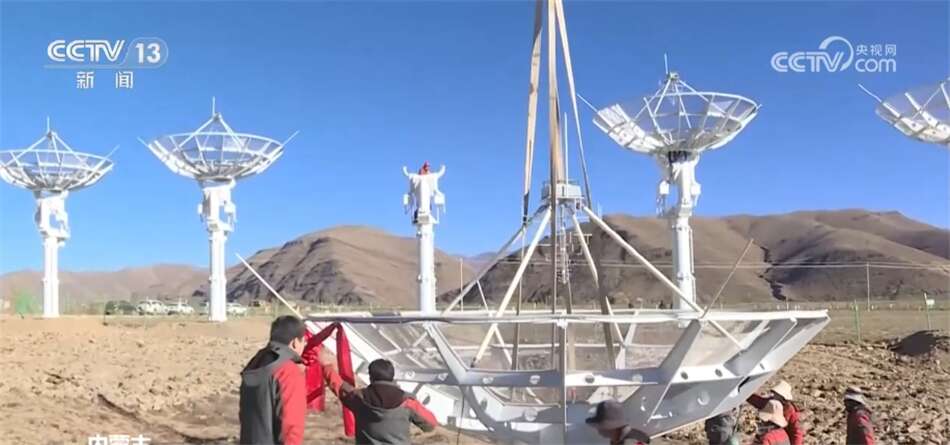
Wang Chi, academician of China Academy of Sciences and commander-in-chief of the second phase of Meridian Project, said: "There are 31 stations in total, which constitute a large network-based system for monitoring the whole foundation space environment. After the meridian project is completed, it will also realize the monitoring of a space weather chain from the sun’s atmosphere to interplanetary space to earth space for the first time in the world. "
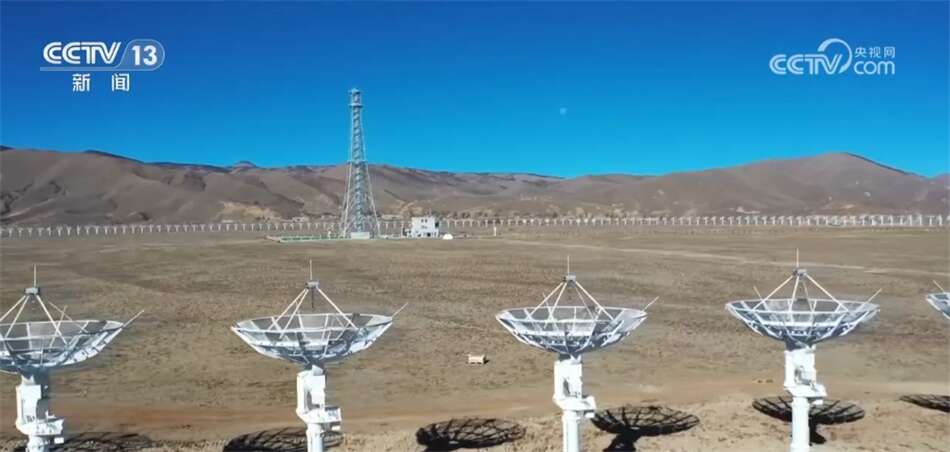
According to reports, after the meridian project is completed, it will serve China’s space communication and navigation, and carry out research work on some key scientific issues of space physics, and realize end-to-end space environmental monitoring from the sun to the earth for the first time in the world, as well as three-dimensional three-dimensional space environmental elements in the earth space.
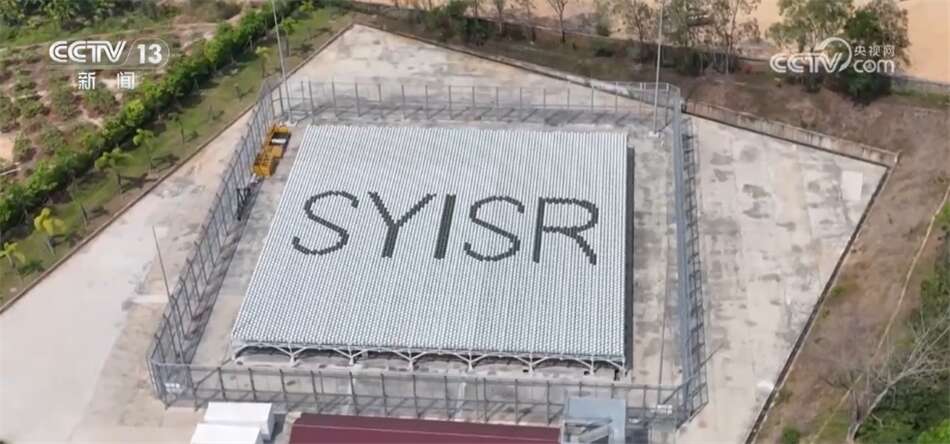
Wang Chi said: "In the future, we will carry out comprehensive testing and debugging of the whole system in nearly half a month, and make a series of preparations to meet the national acceptance in September or October this year."