National Hypertension Day | trilogy of controlling blood pressure and self-management.
In order to raise people’s awareness of the dangers of hypertension, mobilize the whole society to participate in the prevention and control of hypertension, and popularize the knowledge of hypertension prevention and control, October 8 every year is "National Hypertension Day". October 8th this year is the 26th National Hypertension Day with the theme of "Healthy Living, Ideal Blood Pressure". Hypertension treatment as a long-term process, patients in addition to regular follow-up, self-management is very important! Next, Min Min, a disease control and prevention director, leads everyone to understand how hypertension patients manage themselves.
Know the related concepts of hypertension
01#
What is hypertension?
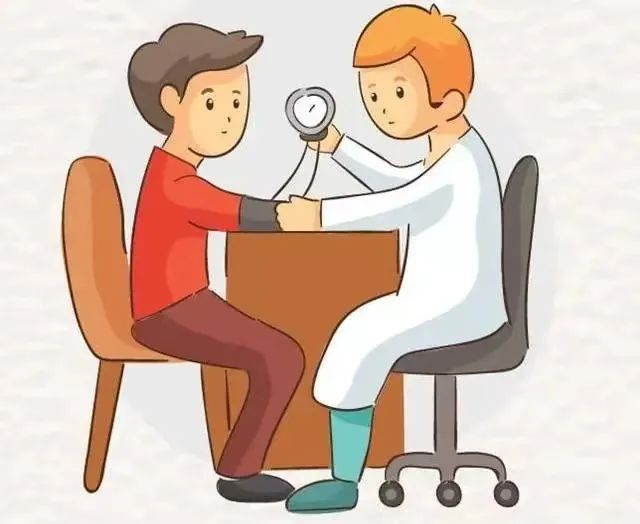
Hypertension is defined as three measurements on different days without antihypertensive drugs, with systolic blood pressure > 140mmHg (or) diastolic blood pressure > 90mmHg;; I used to have hypertension, but now I am taking antihypertensive drugs. Although my blood pressure is less than 140/90mmHg, I can still diagnose hypertension.
02#
What are the risk factors of hypertension?
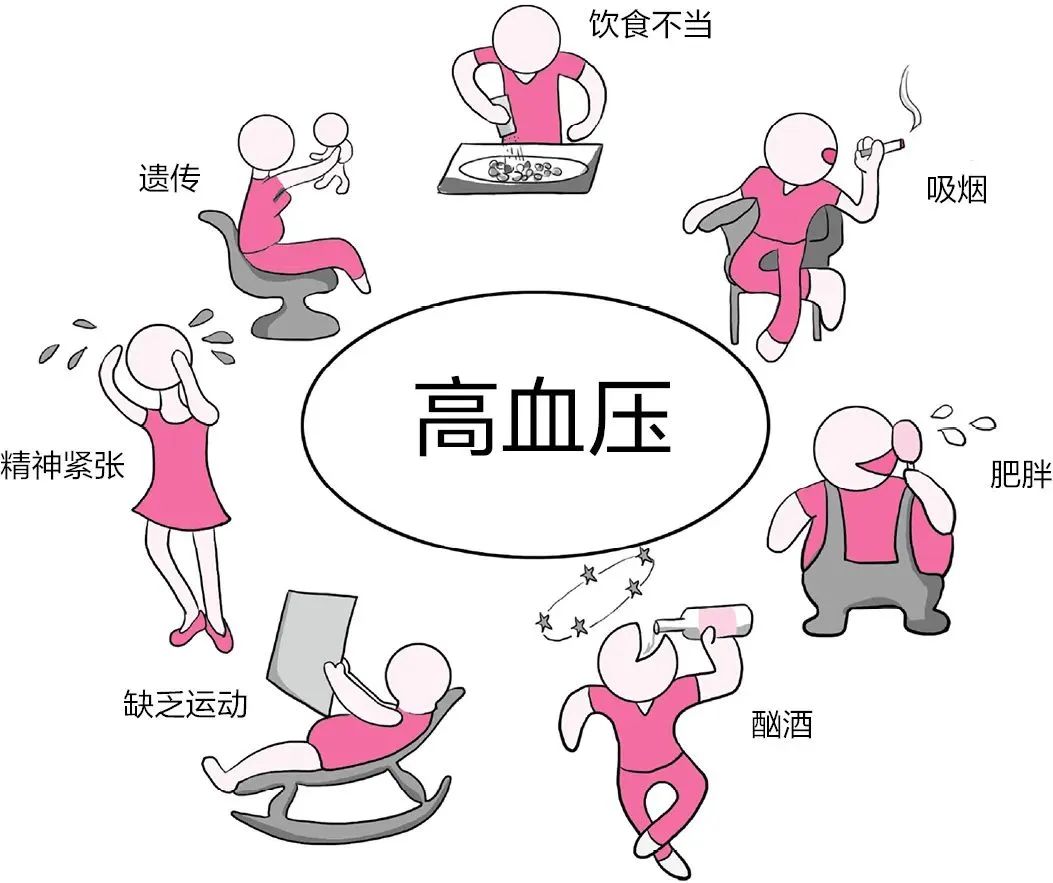
The risk factors of hypertension include: high sodium and low potassium diet, smoking, obesity, alcoholism, lack of exercise, mental stress, heredity, age, diabetes and dyslipidemia.
03#
What are the clinical symptoms and complications of hypertension?
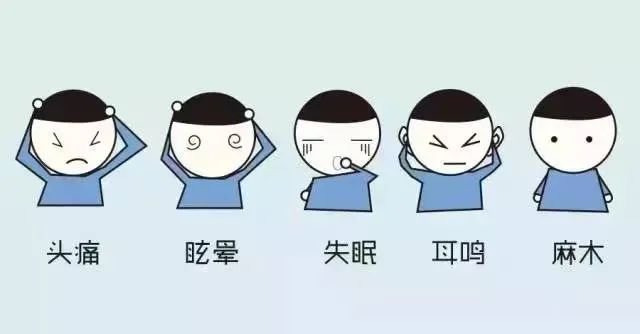
The common clinical symptoms of hypertension patients are headache, tinnitus, insomnia, dizziness, numbness, shortness of breath, nausea, fatigue and so on. At the same time, hypertension is accompanied by a variety of complications, causing damage to heart, brain, kidney, fundus and other organs and large blood vessels. Common complications include cardiovascular diseases such as heart failure and myocardial infarction, stroke, retinopathy, renal insufficiency and diabetes.
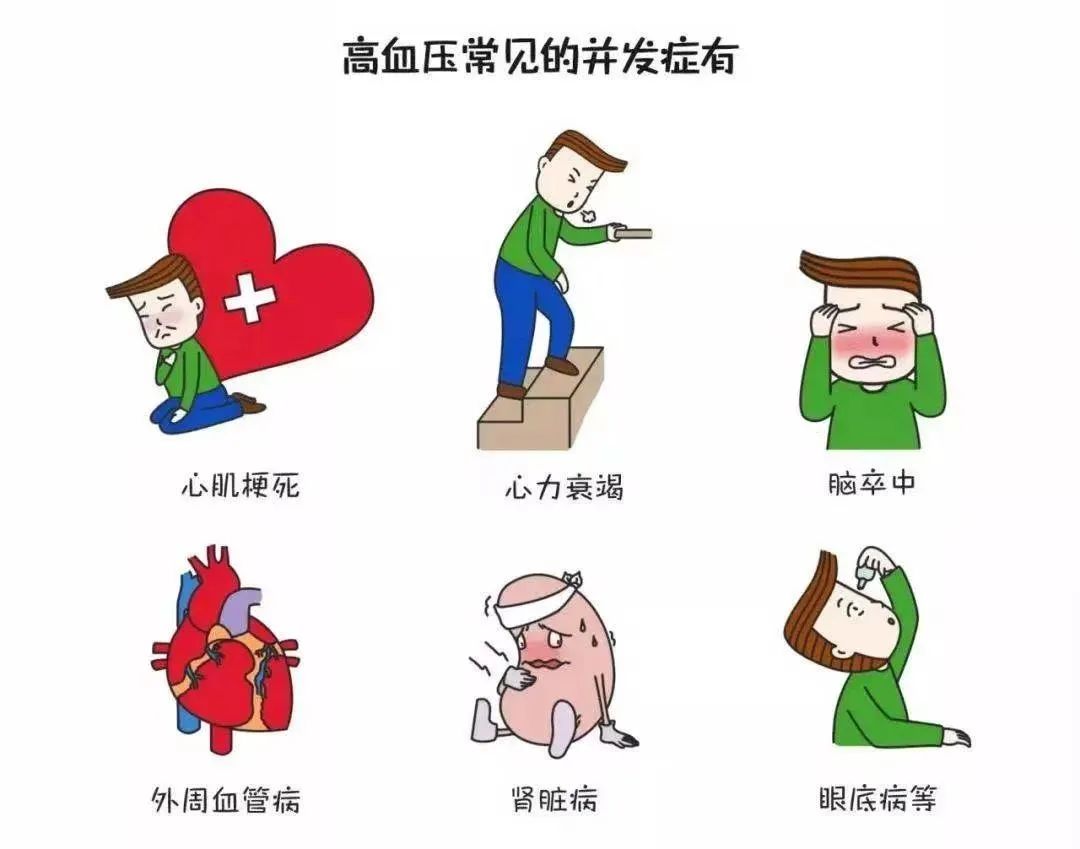
Hypertension is a systemic disease, which is the most important risk factor for the onset and death of heart disease, stroke and kidney disease. About 70% of stroke deaths and about 50% of myocardial infarction are closely related to hypertension, so it is known as the "silent killer". Controlling blood pressure depends not only on antihypertensive drugs, but also on self-management of patients with hypertension under the guidance and assistance of doctors, and understanding the related knowledge of hypertension is of great significance to delay or alleviate the complications of hypertension, improve the quality of life and prolong life.
Trilogy of self-management for patients with hypertension
one
Monitor blood pressure regularly.
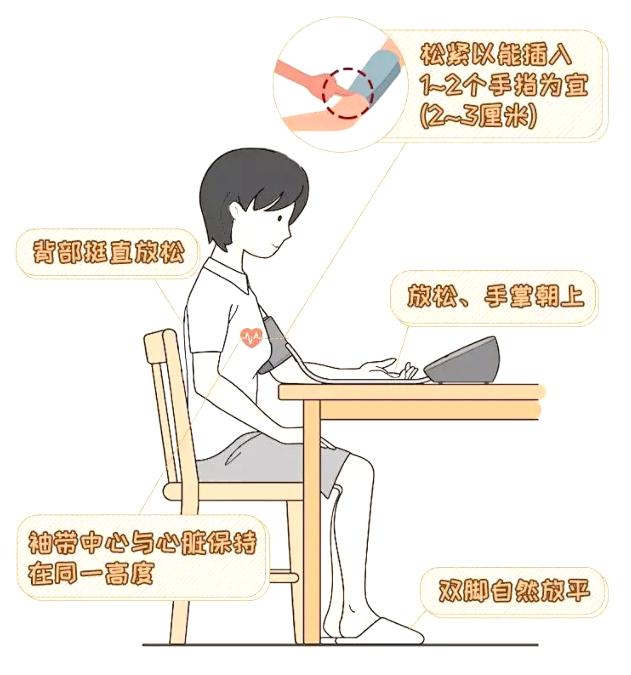
It is recommended to use the verified upper arm medical electronic sphygmomanometer. The blood pressure of patients with unstable blood pressure is measured 2-3 times every morning before taking medicine, after urination and before going to bed at night, and the average value is taken at intervals of 1 minute. If the blood pressure control is stable and up to standard, you can self-test your blood pressure for 1-2 days every week. However, if blood pressure measurement brings you anxiety, it is not recommended to test your blood pressure frequently.
2
Develop a healthy lifestyle
one
Reasonable diet:
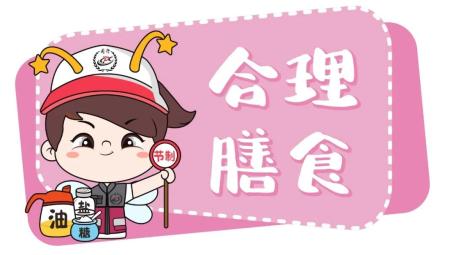
Eat a low-salt and low-fat diet, reduce the intake of dietary fat, supplement high-quality protein in moderation, and eat more plant foods that can lower blood pressure and regulate fat. Eat more crude high-fiber foods to reduce total calorie intake, increase satiety and prevent constipation.
2
Weight control:
It is suggested that overweight or obese hypertensive patients should properly control their diet and increase their exercise, and the body mass index should be controlled within 25kg/㎡. The elderly should pay attention to avoiding excessive weight loss.
three
Quit smoking and drinking:
It is recommended that patients with hypertension should not drink alcohol. Or men’s daily alcohol consumption should not exceed 25g, that is, wine < <100~150ml (equivalent to 2~3 ounces), beer < 250 ~ 500ml (0.5 ~ 1kg), or liquor < 25 ~ 50ml (0.5 ~ 1 ounces). Women should be halved. Drinking highly alcoholic beverages is not recommended. The risk of coronary heart disease of smokers is twice as high as that of non-smokers and the risk of ischemic stroke is twice as high. It is not easy for hypertensive patients with smoking habits to obtain satisfactory results in antihypertensive treatment.
four
Moderate exercise:
Hypertensive patients and high-risk individuals should maintain proper physical activity, and it is advisable to feel good about themselves and maintain their ideal weight after exercise. Suitable exercise methods should include aerobic exercise, stretching exercise and muscle strength exercise. Sports can choose walking, jogging, Tai Ji Chuan, swimming, dancing, etc. Exercise frequency is generally 3-5 times a week, and each time lasts for 20-60 minutes. Before exercise, you can consult your doctor to determine whether you can participate in exercise and the amount of exercise.
five
Ensure the quality of sleep:
Ensuring adequate sleep and good sleep quality is an important factor in controlling blood pressure. If the quality of sleep is not good, you can consider soaking your feet with warm water, reading books and newspapers, listening to soothing music and so on to help you sleep before going to bed.
six
Psychological balance:
Keep an optimistic and positive attitude, find a suitable psychological adjustment method and cultivate the ability to cope with psychological pressure. Psychological counseling is a scientific method to relieve mental stress.
three
Regular medication
It is necessary to take antihypertensive drugs orally for a long time under the guidance of a doctor, and take them on time and accurately, so as not to miss or take more. In the event of missing or taking more, blood pressure may fluctuate. If blood pressure fluctuates in patients with hypertension, it may cause certain damage to important organs. If systolic blood pressure ≥180mmHg and/or diastolic blood pressure ≥ 110mmhg persist; In case of consciousness change, severe headache or dizziness, nausea and vomiting, blurred vision, eye pain, palpitation and chest tightness, please go to the hospital in time.
Original title: "National Hypertension Day | trilogy of controlling blood pressure and self-management"